Guide coverage
Every walking group has a lead guide in front and a sweep at the back. Larger classes are split into smaller groups, each with its own guides and a teacher.
Mountain walking with young people depends on conservative rules applied every time. These are the standards behind every Malavazhi route sheet.
Every walking group has a lead guide in front and a sweep at the back. Larger classes are split into smaller groups, each with its own guides and a teacher.
Trails are graded by gradient, surface and exposure. Programs for younger classes use only the gentlest grade.
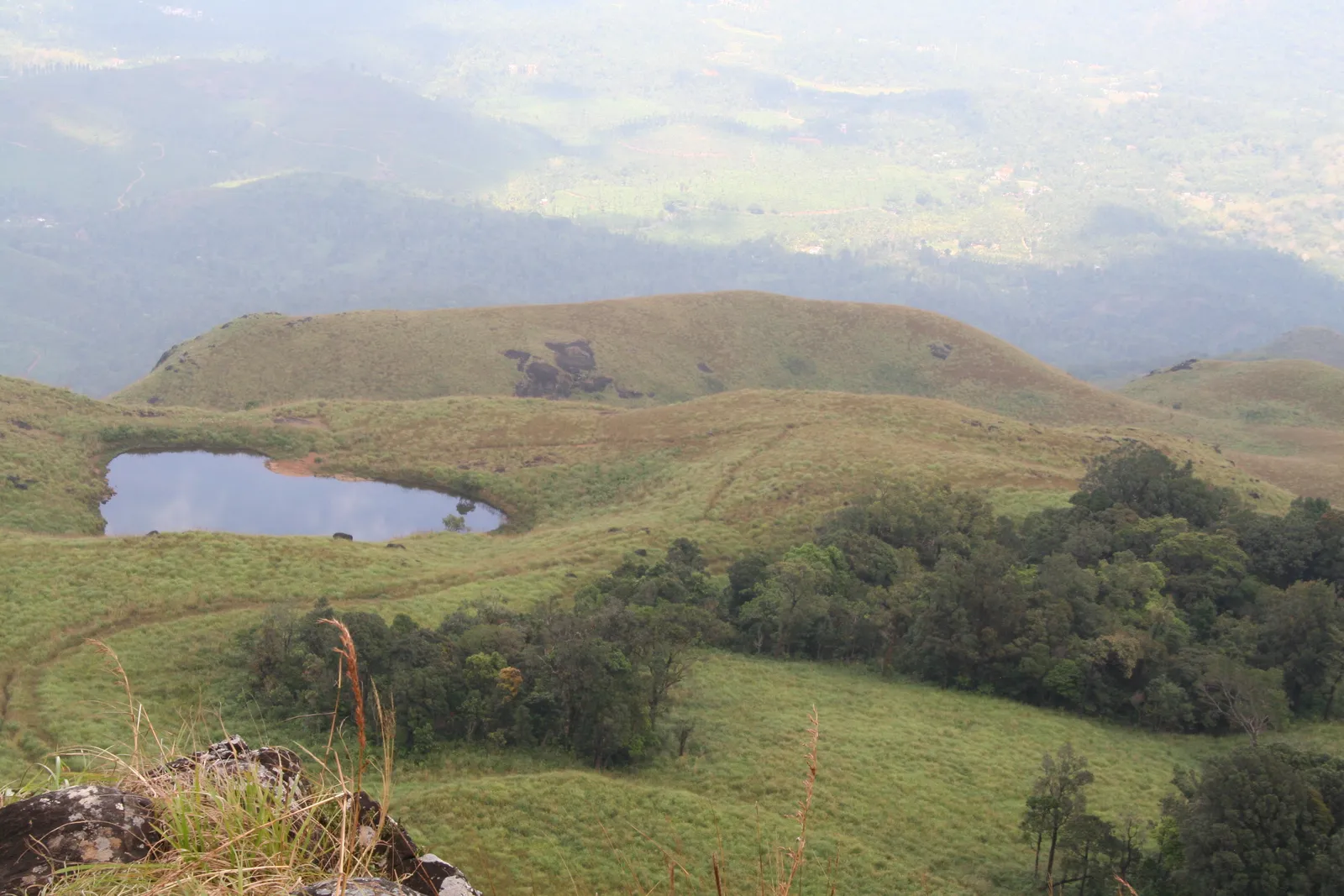
Ridge routes are not used in heavy rain, mist with poor visibility or high wind. The fallback route is always walked instead.
Each route has a fixed turn-around time. Groups return at that time whether or not the planned point is reached.
Before the trip we ask teachers for relevant medical notes, allergies and dietary needs, shared only with the guides and hosts who need them. Meals are prepared to match these notes.
Guides carry first-aid kits and a means of contact on every walk, and route sheets list the nearest road access and medical facility for each section of the trail.
Leeches, slippery laterite paths and strong sun on open ridges are the common hazards in these hills. The kit list and student briefing explain how to deal with each of them.
Ridge programs are offered mainly in the post-monsoon and cool months, with village-based alternatives in the wet season.
Routes are walked in advance by guides, and checkpoints are confirmed against the route sheet during the walk.
Guides choose routes and timings to avoid known animal movement areas, and groups keep distance and silence on forest edges.
We can share the route sheet and safety standards for your review before you confirm a trip.